Total Pageviews

Saturday, April 16, 2016

LED DIY Lighting

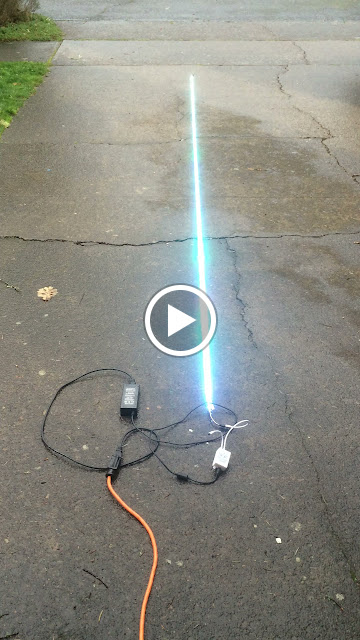
The Goldfish Garage is currently being retrofitted to upgrade it's lighting.  The T8 fluorescent shop lights and various aquarium hoods are being replaced by custom made DIY light bars that I've designed.  As far as I can tell, this method is by far the best, cheapest, most efficient and simple design I've seen.  Some of the Big Aquarium DIY guys have designs but they miss the boat being over thought and overly complicated.  LEDs are directional, so any design bouncing the light off a reflector is flawed as light intensity falls off exponentially with distance and reflective surface refract and deflect light in away that is less efficient than directly shining the light at the water surface.

There are three basic areas to cover.  The LED strip themselves, the power supply and controller if RBG and substrate the strip is mounted to.

The LED's I'm using are 5 meter (16.5 feet) 5630 (chip size) waterproof in cool or natural white.  I purchase them on Amazon or Ebay.  I have a few RED BLUE GREEN (RGB) strips but they are not bright enough for my larger tanks and the wiring is more complicated so most will be the single color white strips.

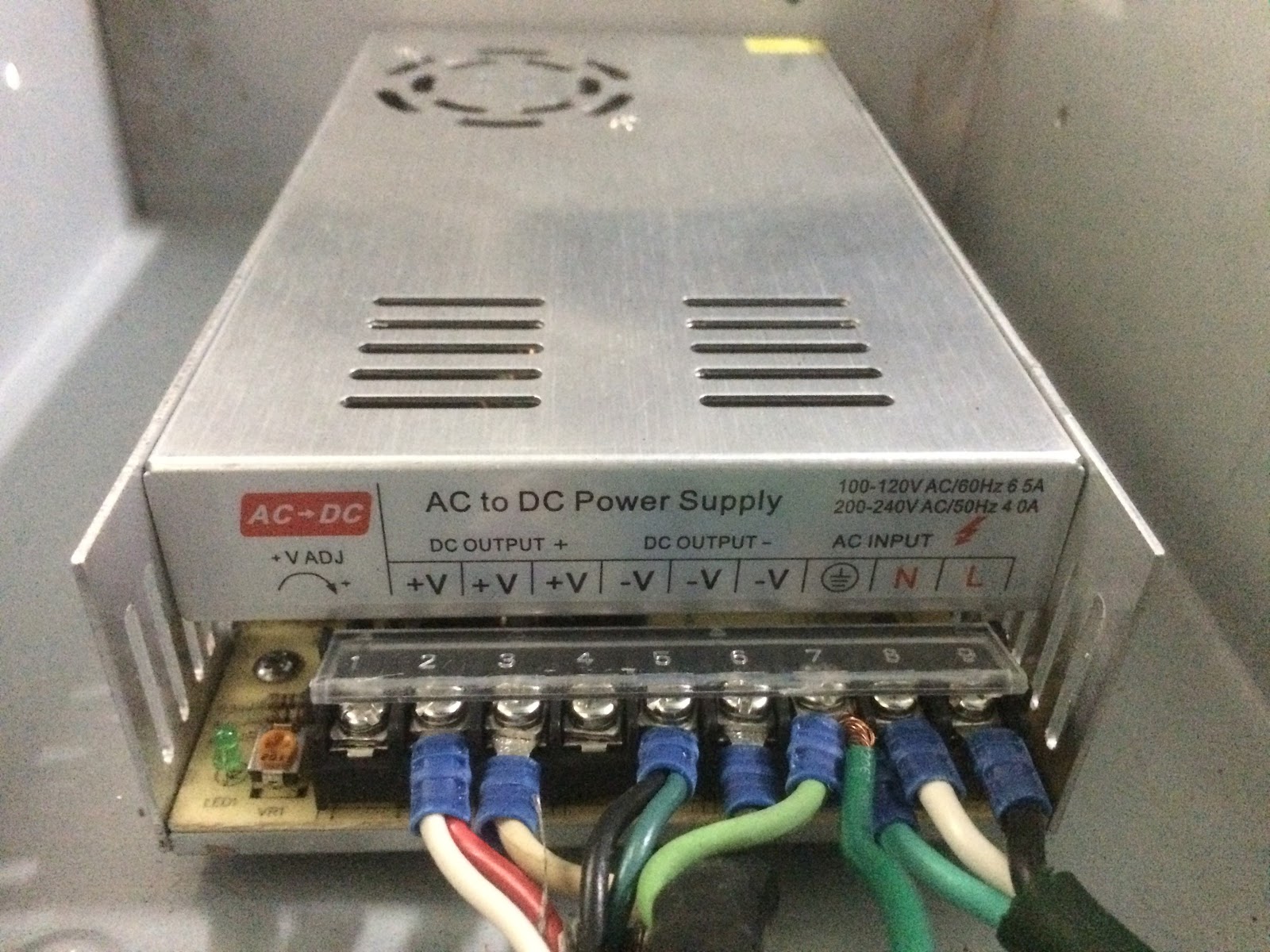
The power supplies can range from a simple lap top type power supply for a single 5m roll on up to large central power supply units like I'm using.  The unit I've installed is a 360 controller that can run up to about 100 feet of 5630 LED ribbon.  The power supplies are 12 volt and generally referred to as Switching power supply.


The light bars are made with 3/4 inch x 3/8 inch thick walled Aluminum channel.  I get it from a local steel yard and it is $13.50 for a 16 feet sections.


Supply mounted in metal box.




Cut the epoxy

Bend

Remove


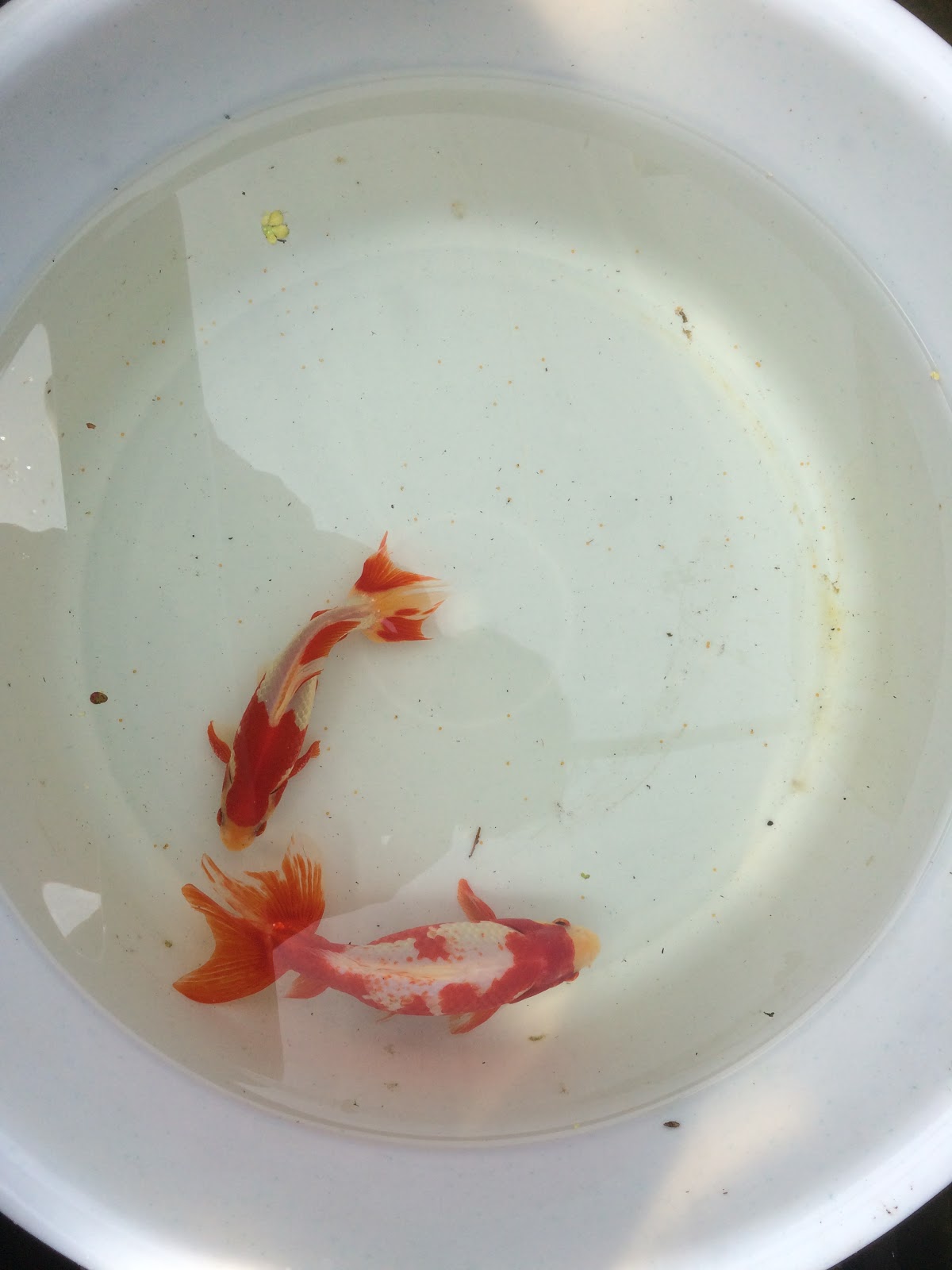
SXK (1/14/14) 2 year Topview Ranchu

This is the sole remaining pair of the SXK 1/14/14 spawn.  In Feb 2105 a heron ate 19 of the stock.  These fish were raised in the garage and put outdoors in May 2104.  They have been outside for 2 years (only in greenhouse briefly when the polar vortex drop us to -10 F) in an elevated fiber glass trough.

Her belly is soft and he has tubercles and milt.  It will nearly 80F tomorrow, but we were in the 50's with heavy rain earlier in the week so hopefully that will make them frisky.  The Maruu Wakins have already spawned in the greenhouse so the spring season is looking up.


Female:


Male:


Monday, January 25, 2016

Mong Kok’s Goldfish Market faces a bleak future

A surge in rents, among other factors, has prompted many small shop operators in Mong Kok's Goldfish Market to abandon their trade. Photo: HKEJ

From:
http://www.ejinsight.com/20160122-goldfish-market-in-mong-kok-faces-bleak-future/

Hong Kong’s famous Goldfish Market, which is a section of Tung Choi Street North and Bute Street in Mongkok, could become a thing of the past if the pace of small shop closures continues in the area.

The street, which once had more a hundred shops and street stalls selling a variety of small acquarium fish, now has less 50 shops left in the traditional trade.

The number is expected to fall further, possibly leading to the disappearance of the street’s original character, Metro Daily Hong Kong reported.

Wong Siu-wah, who has been running a goldfish store in the area for two decades, said the market used to be a popular tourist spot, thanks to the Tourism Board’s promotional efforts.

However, over the past dozen years or so, many goldfish stores have been converted into fast-food restaurants and pet shops, eroding the charm and appeal of the market, he said.

Visitor numbers fell, leading to lower revenues for the existing store owners and discouraging them further, Wong said.

“I fear this place will no longer be called the Goldfish Market in ten, twenty years.”

Wong noted that shop rental cost was only around HK$10,000 a month twenty years ago, while monthly revenues used to hit HK$200,000.

But now rents have skyrocketed to HK$60,000 a month while the monthly income has fallen to about HK$100,000.

Young people nowadays prefer video games rather than gazing at goldfish, Wong remarked.

He said he has managed to survive only because he has a base of loyal customers.

David Lui, who took over his family’s 60-year-old goldfish business in 2014, said diminished variety in the goldfish being sold in the market is also a key reason why the business has been suffering.

Growing up in the area, Lui said he has seen first-hand the struggles of stores as they battle for survival amid a staggering rise in rents.

Unable to cope with the rent demands, many goldfish sellers have given away their shops to restaurant operators or pet shop outlets.

Despite having an investment banking background, Lui decided to take control of the family-owned Lui Keung Aquarium to follow his favorite hobby.

One of his moves to revolutionalize what was seen as a boring business was introduction of new goldfish species, including the Ranchu from Japan.

Lui invited Ranchu specialists from Japan to share their tips and insights for raising Ranchu in Hong Kong, and has successfully held the first-ever Ranchu appreciation event locally, in order to revive people’s interest in goldfish.

A Ranchu can cost anywhere between several thousand to tens of thousand of dollars. While the Japanese breed is much pricey than those bred in mainland China, it has become an instant hit among goldfish lovers.

However, that may not be enough to secure the prospects of the once-famous market.

– Contact us at english@hkej.com

EL/AC/RC